Skip to content
The amazing wildlife of Guara: Wildlife encounters.
Discover the wildlife of the Sierra de Guara
If you keep this a secret, I’ll surprise you. Most of them don’t like social media and won’t let just anyone take their photo, but they’re there. And how! They inhabit the kermes oak forests, sleep in secluded spots, drink where others bathe, and possess the gift of invisibility—though every now and then they reveal themselves to those who know how to look.
There are others that rule the skies; these, indeed, know they are out of reach, and
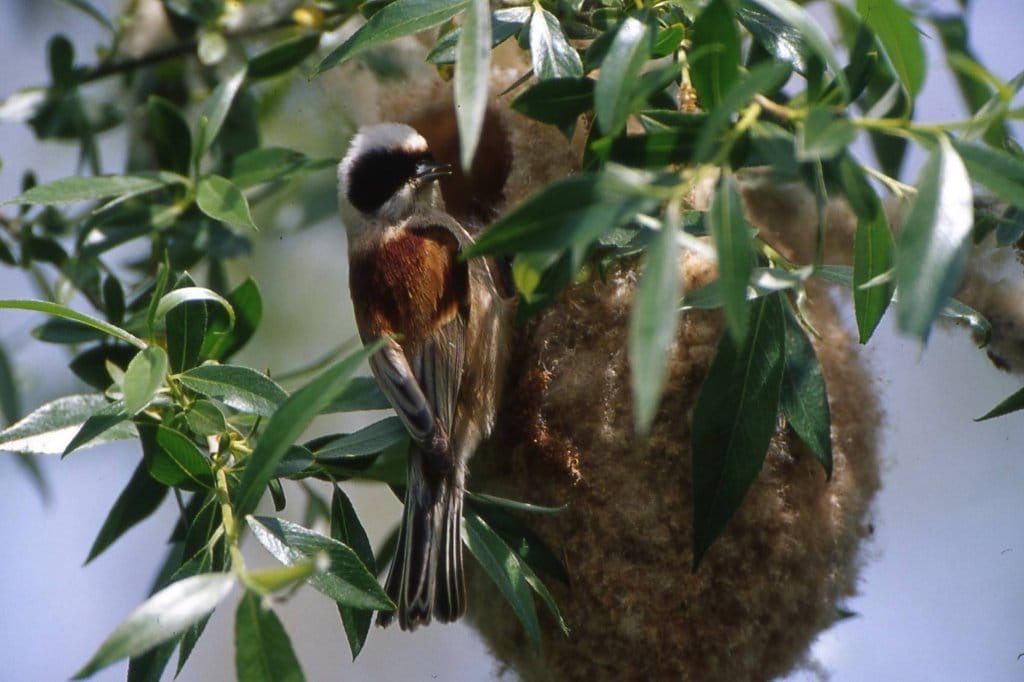
soar gracefully through the air. They are mammals, birds and amphibians, and together they make up the astonishing wildlife of the Sierra y los Cañones de Guara Natural Park.
Over 30 years of protecting Guara’s biodiversity
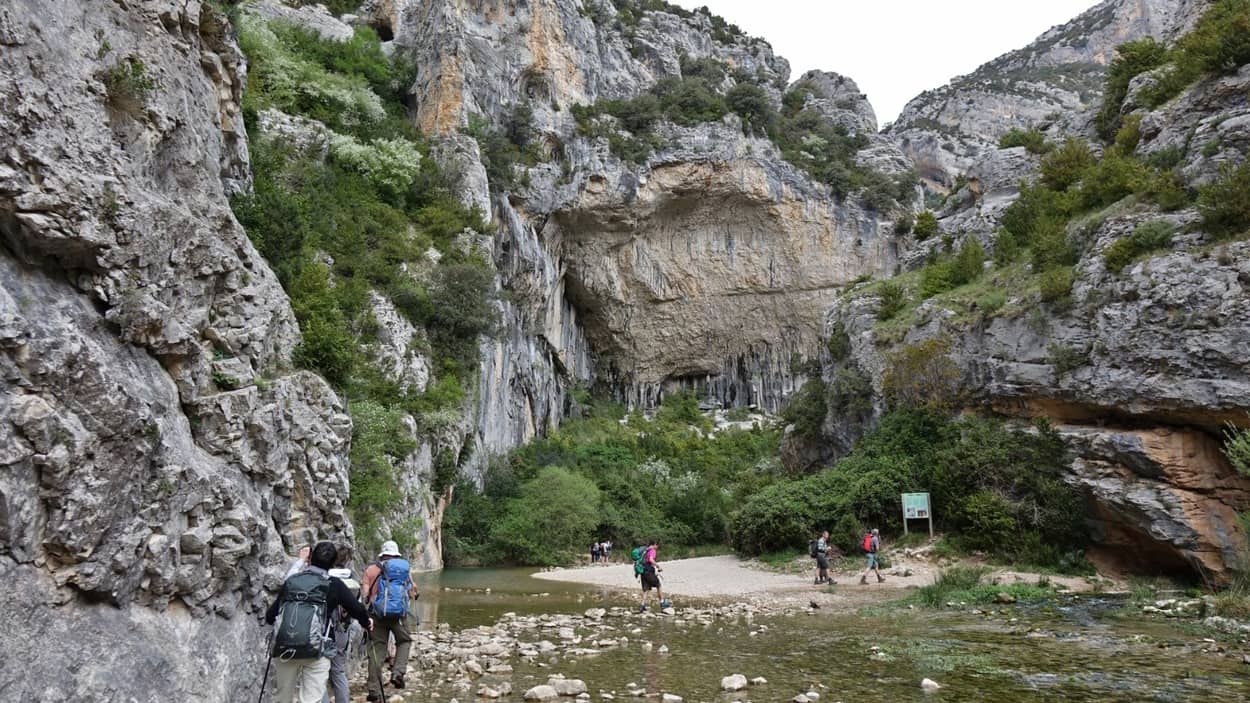
This area, comprising 47,453 hectares of Natural Park and a further 33,286 hectares of the Peripheral Protection Zone, was designated the Sierra y los Cañones de Guara Natural Park in 1990. Tourism
was just beginning to discover this very special place, and it was necessary to protect life in this paradise so that it could remain just that.
I won’t go into detail about the various protected areas within the Sierra de Guara region; I’ll simply list a few: we form part of the Natura 2000 network, a Special Protection Area for Birds, a Site of Community Importance, and, together with Sobrarbe, we even have a large area designated as a Geopark, in this case, the Sobrarbe Pyrenees Geopark, a designation recognised by UNESCO.
In short, if there are so many protective measures in place, you’re right to think that there’s a lot to protect.
Iconic mammals of the Sierra de Guara
The subject of birds is central and deserves special attention, so, if I may, I’ll leave them until last. I’ll start with the mammals, which, as I mentioned at the beginning, are elusive. The fact is, they only reveal themselves
to those who are patient enough to wait and watch, or to those who get up early and know how to move silently.
Memories of bears and wolves in Guara
This was bear and wolf territory for centuries, as evidenced by certain place names that still survive today and which also give their names to places I recommend you visit: San Martín de la Bal D’Onsera, which is now an 11th-century chapel situated in the municipality of Loporzano and serves as a reminder that bears once roamed there. Or take Ballón D’a Lupera, a spot situated between Rodellar and Otín, in one of the wildest areas of the nature reserve, which must certainly have been a magnificent habitat for wolves.
Wild boars, roe deer and other forest dwellers
Perhaps one day the large carnivores will return; in fact, wolf tracks have been spotted on occasion, and in some nearby areas their presence is practically constant. However, it would be
very rare to spot a wolf. Much easier to spot are the numerous wild boars and roe deer, which you may even come across crossing the road at night or rooting around in a cornfield
as you drive between one village and another.
Foxes, badgers, and feral goats
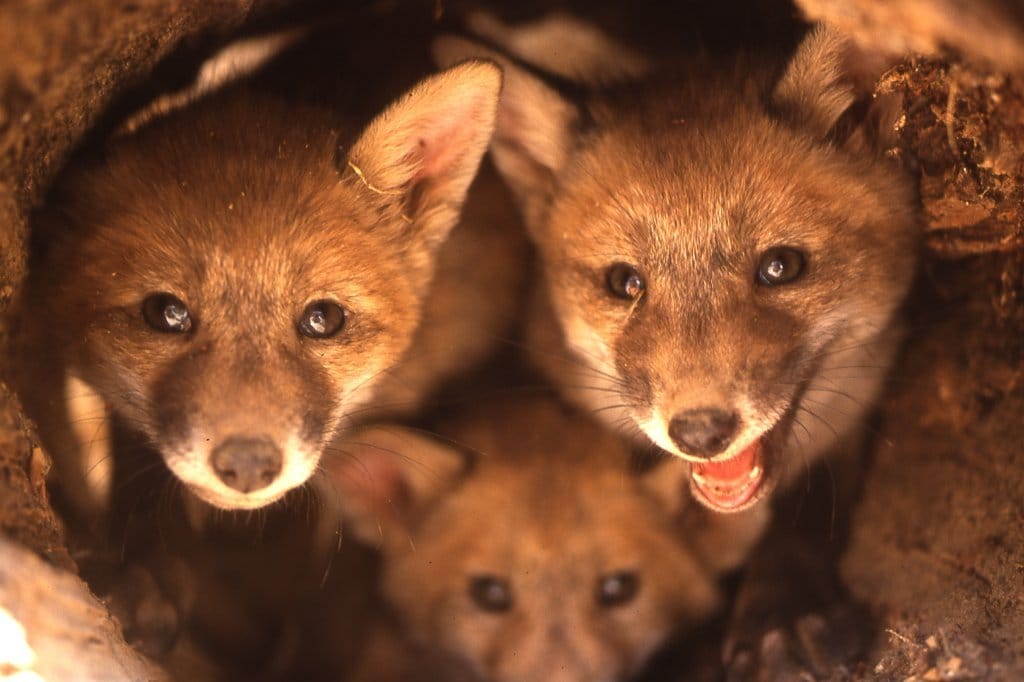
Other predators—in this case smaller but just as fascinating—include the fox and the jackal, as well as the badger and other less fierce animals that have made this their territory and home. The feral goats are a hallmark of this place, and there are numerous theories about their origins. Various groups of goats, which once had owners, are scattered throughout the mountains and now form herds that enjoy complete freedom.
We could go on listing them, but I wouldn’t have enough space or time to cover the key players in the world of water and rocks.
Amphibians, reptiles and aquatic fauna
We even have otters here, and if there’s one thing they’re known for, it’s their need for clean, pure water to survive. There are also barbel and trout, which they feed on, as well as other native animals that are
at risk of extinction: this includes the crayfish and one of my favourites, if not my absolute favourite: the newt, or, as I like to call it, the ‘guardafuens’, a small amphibian that can still be seen in small streams and springs in quiet, shady areas.
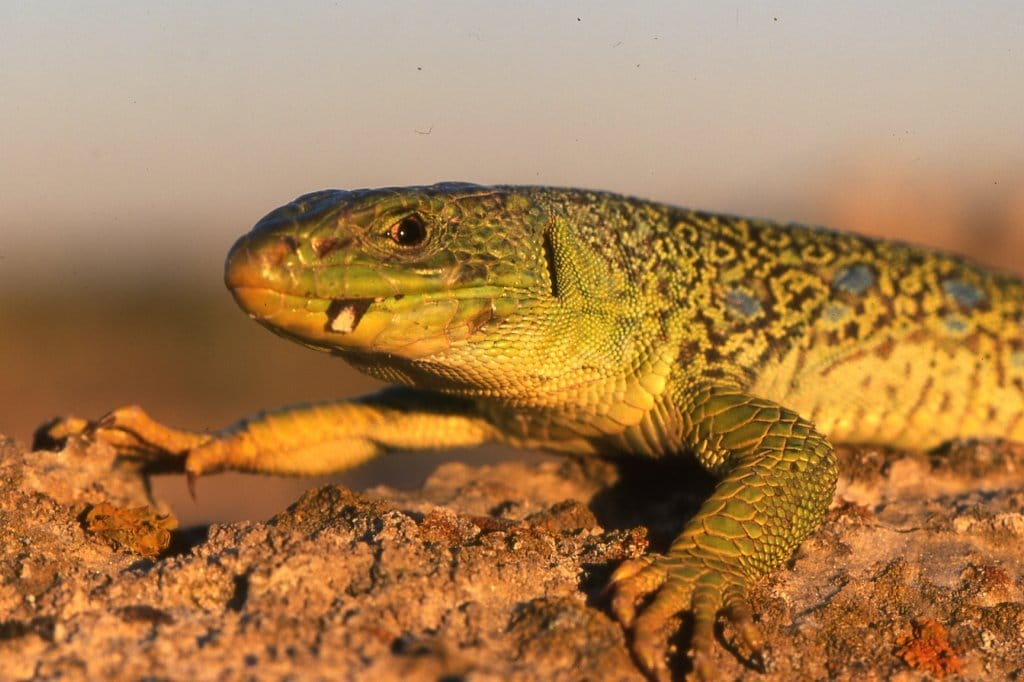
We also have frogs, such as the San Antonio frog; toads, such as the natterjack toad; and some reptiles that are very rare to see elsewhere, such as the Aesculapian snake.
Birds of prey, the stars of Guara
All living creatures are important here, but it is the birds that attract the most visitors and attention. There are over 150 species of birds that inhabit the Sierra de Guara. But amongst them, diurnal and
nocturnal birds of prey—and above all, scavengers—find a paradise here that is unique in the world. Birds are so important here that we’ve even dedicated a special post to them, which you can read here:
https://guara.org/actividades/ornitologia/
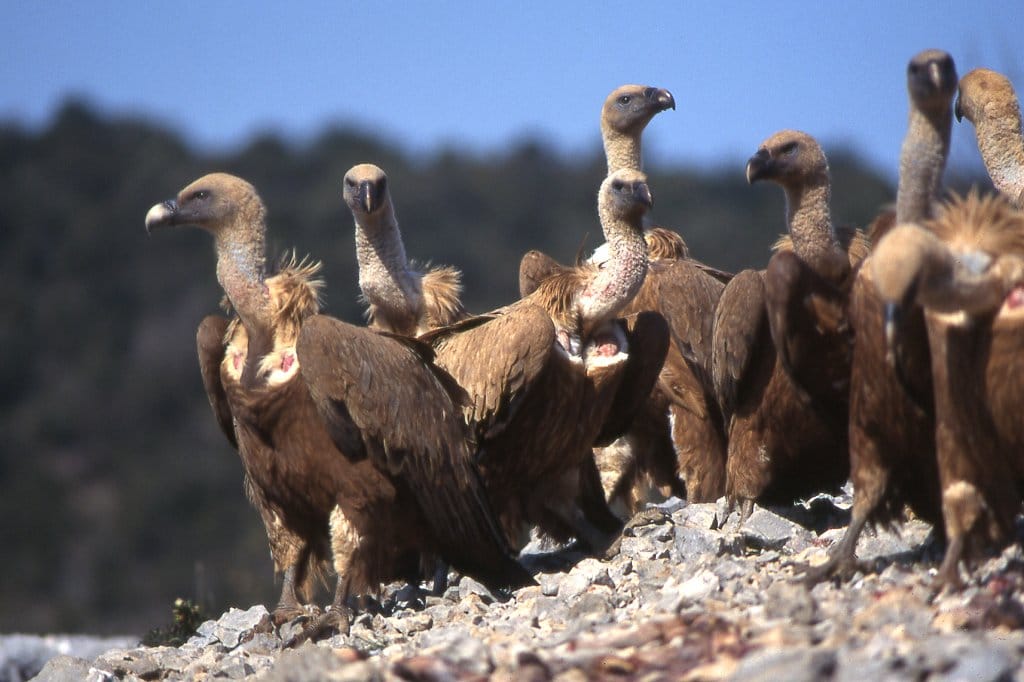
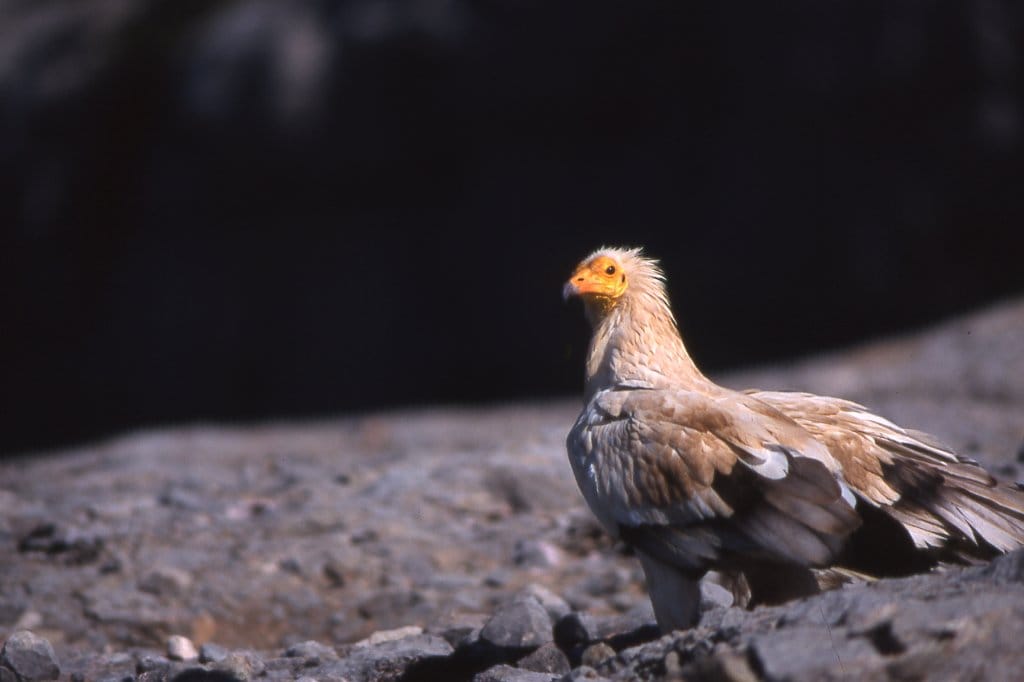
Red kites, black kites, short-toed eagles, golden eagles, Bonelli’s eagles, sparrowhawks, goshawks and the world’s fastest bird, the peregrine falcon, all have their natural habitat here. But as if that weren’t enough, Guara is special because of the concentration of scavenger bird species in terms of both numbers and variety.
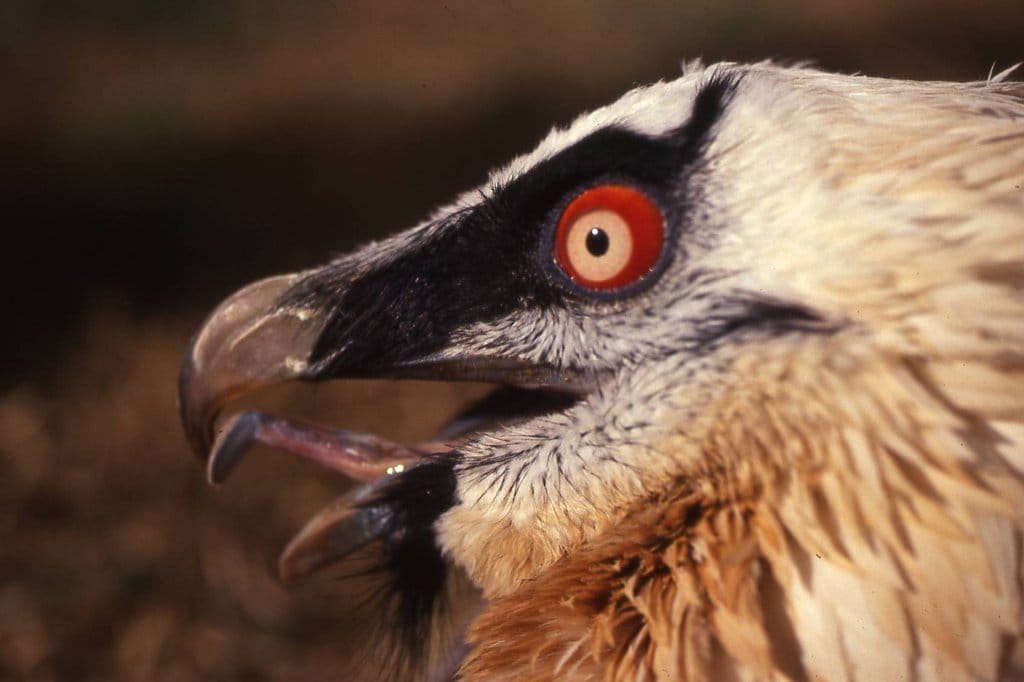
The Egyptian vulture, the griffon vulture and the bearded vulture receive special care here. This is because, following changes to livestock regulations, the numbers of these scavenger birds suffered a sharp decline; however, this has now been resolved through the reintroduction of feeding stations where food is provided, ensuring that these majestic birds can continue to reign supreme in the skies above the Sierra de Guara.
If you’re interested in birdwatching, I recommend the Birding Aragón website (https://birdingaragon.com/), where you’ll find everything you need to plan your routes, birdwatching trips and photography sessions.
The challenges of conserving the wildlife of Guara
Continuing to raise awareness of the nature and heritage of the Sierra y los Cañones de Guara Natural Park in all its facets is a major challenge, particularly when combined with the conservation of all its wildlife. That is why it remains essential to raise awareness of this rich heritage, because what is known is valued and protected.
That is why I ask the same of you, as a visitor to Guara: please help us to preserve all these natural treasures by telling your friends and family about the importance of the wildlife that lives here, so that it will always be here for us to enjoy.
If you’d like to find out more about the natural environment of Guara, here’s an excellent read: https://guara.org/parque-natural/naturaleza/